Debunking Chimney Myths: What You Need to Know


Understanding Common Chimney Myths
Chimneys have been a staple in homes for centuries, yet many misconceptions persist about how they function and how they should be maintained. These myths can lead to costly mistakes and even safety hazards. In this post, we'll debunk some of the most common chimney myths to help you keep your home safe and efficient.
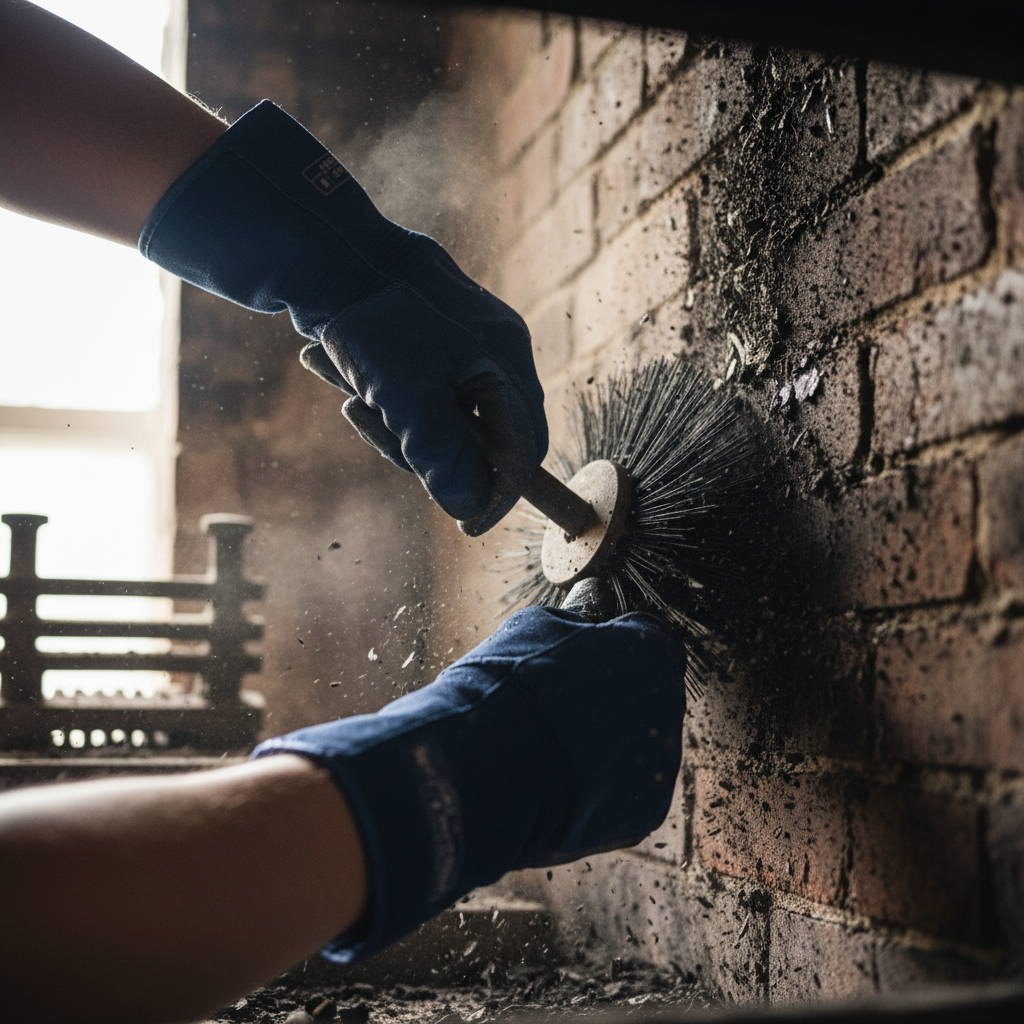
Myth 1: Chimneys Don't Need Regular Cleaning
One prevalent myth is that chimneys don't need regular cleaning. In reality, regular maintenance is crucial for preventing chimney fires and ensuring efficient operation. Creosote, a byproduct of burning wood, can build up inside the chimney and ignite if not removed regularly. It's recommended to have your chimney inspected and cleaned at least once a year by a professional.
Myth 2: Chimney Liners Last Forever
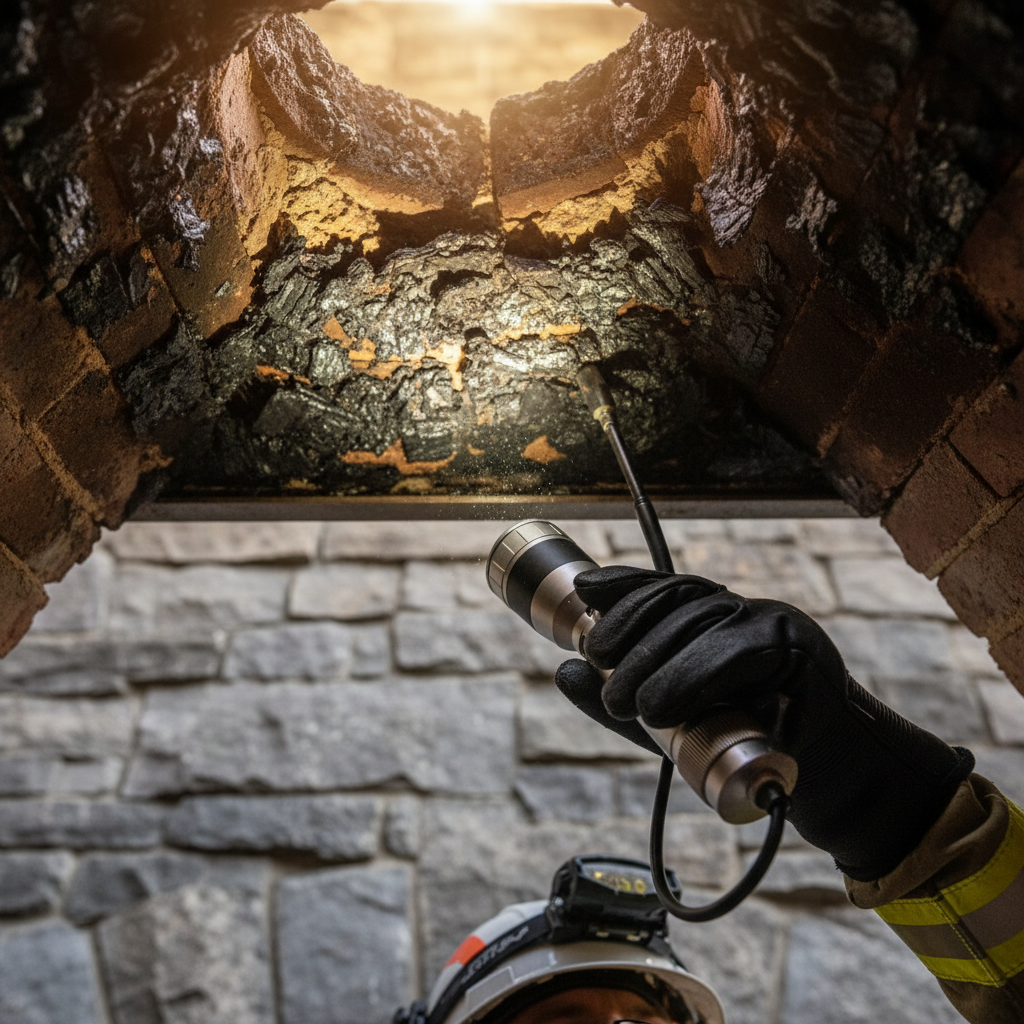
Another common misconception is that chimney liners are indestructible. While they are designed to withstand high temperatures and corrosive byproducts, they can deteriorate over time. Regular inspections can help identify any damage early, preventing potential hazards and costly repairs.
The Truth About Chimney Caps
Chimney caps are often overlooked but play a vital role in protecting your chimney. Some people believe they're unnecessary, but they actually prevent rain, debris, and animals from entering your chimney. This not only protects the structural integrity but also prevents blockages and potential fires.
Myth 3: All Chimney Sweeps Are the Same
Not all chimney sweep services are created equal. It's essential to hire a certified professional with the right expertise to ensure a thorough inspection and cleaning. A reputable chimney sweep will provide you with a detailed report of any issues and suggestions for maintenance or repairs.
Efficiency and Safety Considerations
Understanding how to maintain your chimney can lead to better efficiency and increased safety in your home. By debunking these myths, homeowners can make informed decisions and avoid unnecessary risks. Remember that professional advice and regular maintenance are the keys to a safe and well-functioning chimney.
Myth 4: You Can Use Any Wood in Your Fireplace
Not all wood is suitable for burning in your fireplace. Softwoods like pine can produce more creosote and should generally be avoided. Instead, opt for seasoned hardwoods like oak or maple, which burn cleaner and more efficiently, reducing the risk of creosote buildup.
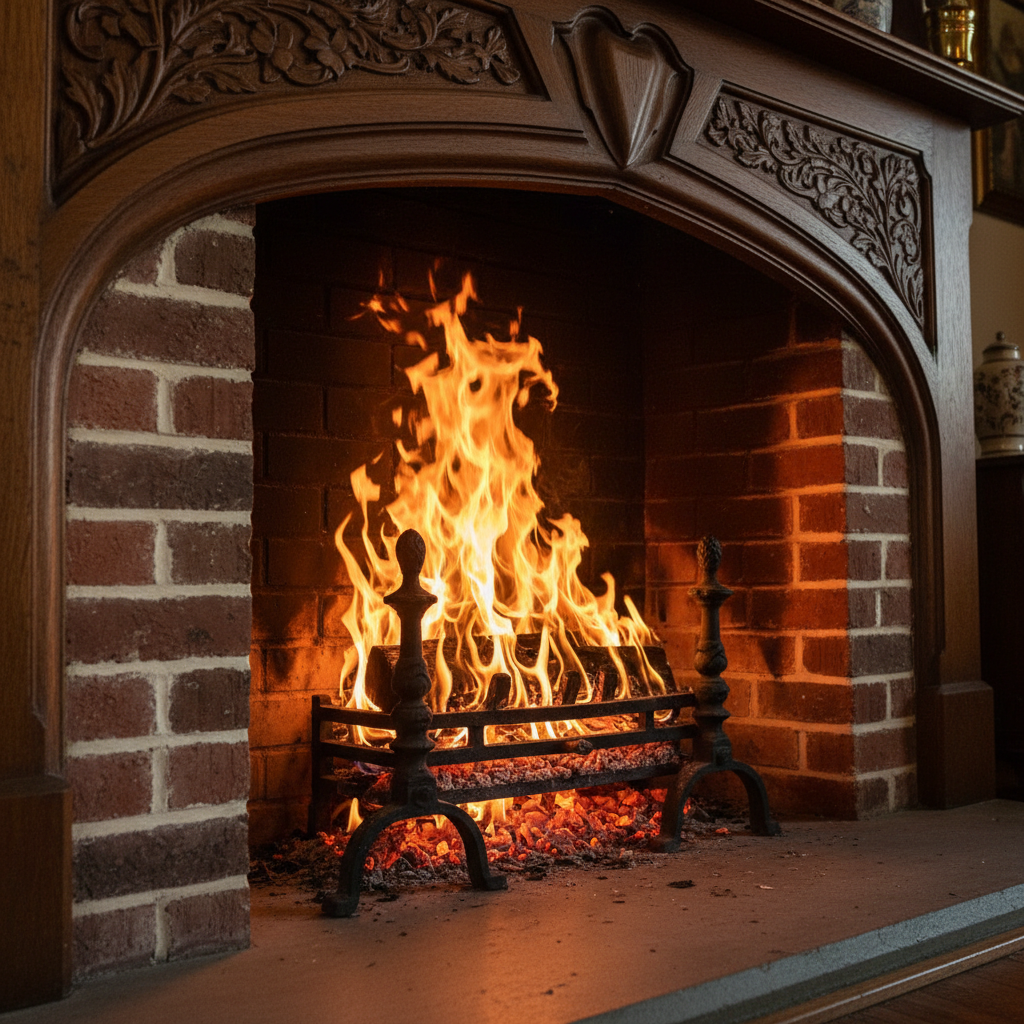
By staying informed and attentive to your chimney's needs, you can enjoy the warmth and ambiance of your fireplace with peace of mind. Regular maintenance, proper materials, and professional services will ensure your chimney remains a safe and efficient feature of your home for years to come.