DIY Chimney Inspection: Spotting Issues Before They Become Problems


Understanding the Importance of Chimney Inspections
As the colder months approach, ensuring your chimney is in good condition becomes a top priority for maintaining a safe and efficient home. Regular inspections can help you spot potential issues before they escalate into costly repairs. Performing a DIY chimney inspection can be a straightforward process if you know what to look for.
A properly functioning chimney not only keeps your home safe from fire hazards but also ensures that your heating system runs efficiently. By conducting regular checks, you can prevent small issues from becoming major problems, saving both time and money.
Tools Needed for a DIY Chimney Inspection
Before you begin your inspection, gather the necessary tools to make the process smooth and effective. You will need a sturdy ladder, a flashlight, a chimney brush, and protective gear such as gloves and a dust mask. Having the right tools on hand will help you perform a thorough inspection.
It's also beneficial to have a camera or smartphone to take pictures of any areas that seem concerning. This can assist in documenting your findings, which can be useful when consulting with a professional if needed.
Inspecting the Exterior of the Chimney
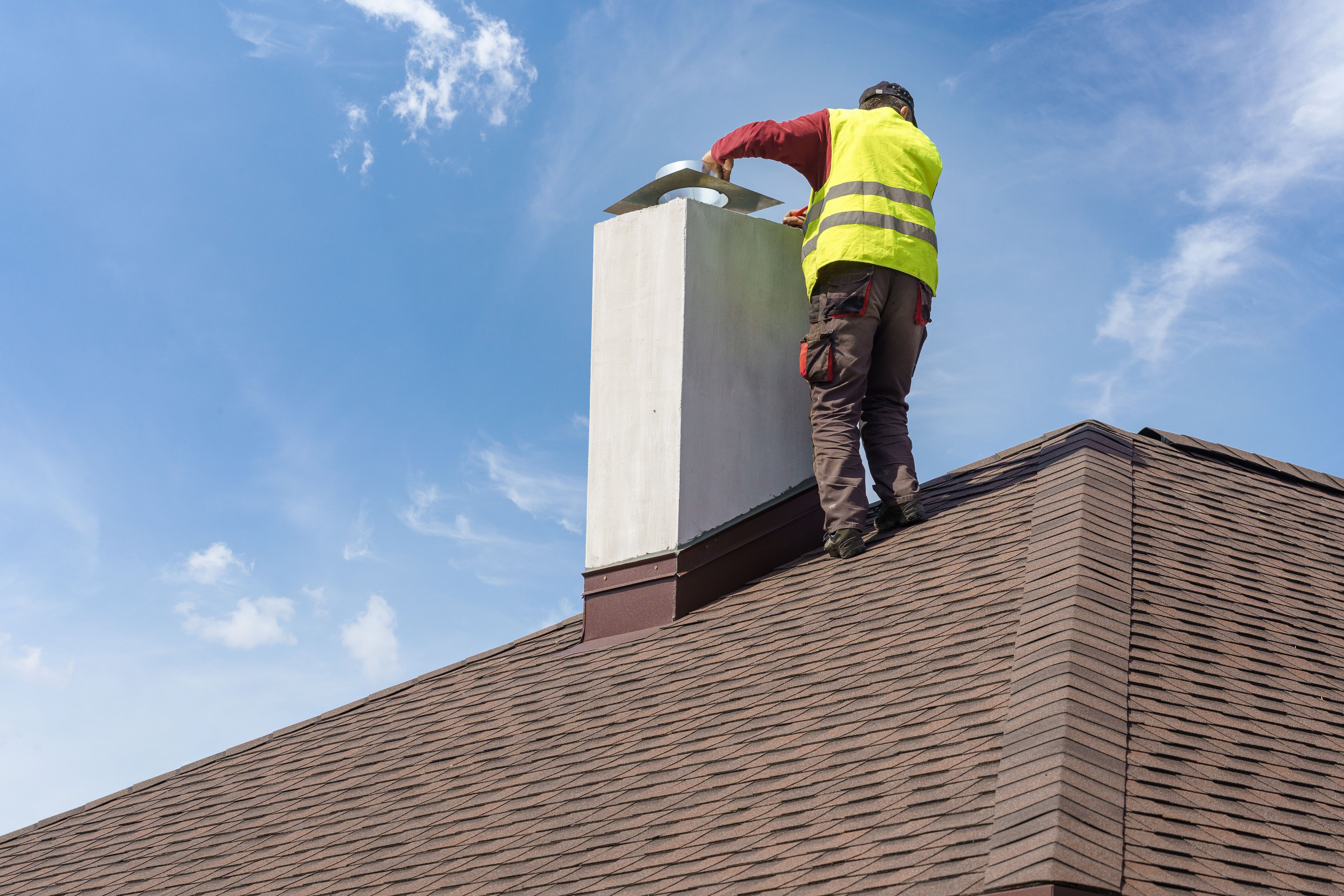
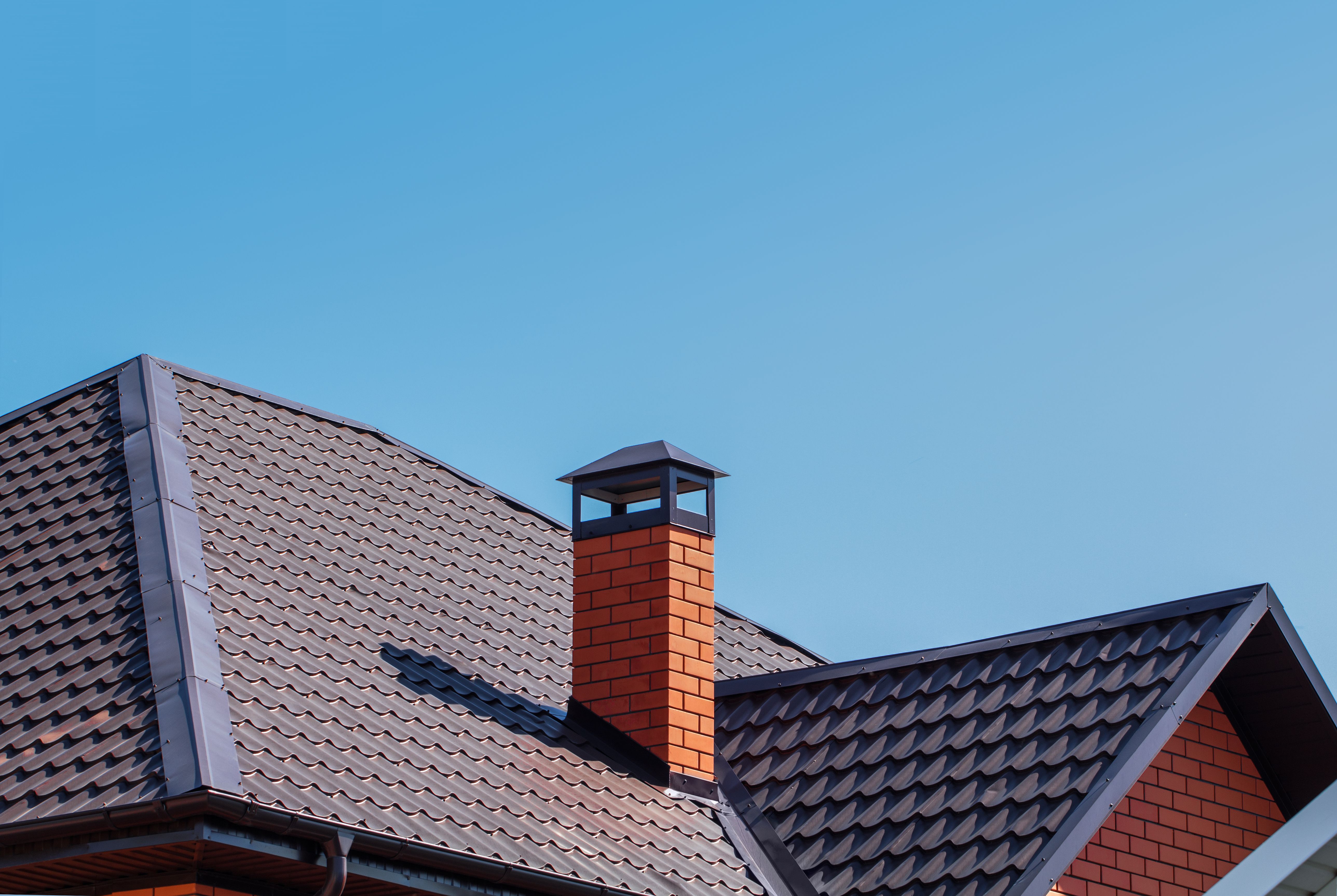
Start by examining the exterior of the chimney. Look for signs of damage such as cracks in the bricks or mortar. These can indicate structural weaknesses that may lead to more significant issues. Ensure that the chimney cap is securely in place and free from debris.
Pay attention to the flashing, which is the metal barrier that connects the chimney to the roof. This area is prone to leaks, so check for any signs of rust or gaps. If you notice any problems, it may be time to consult a professional for repairs.
Checking the Interior of the Chimney
Next, move inside to examine the chimney’s interior. Using a flashlight, look for creosote buildup, which appears as a tar-like substance. Creosote is highly flammable, so it’s crucial to address any buildup promptly by cleaning the chimney.
Also, check for any obstructions such as leaves, bird nests, or other debris. These blockages can prevent smoke from exiting your home properly and should be removed immediately.
Assessing the Fireplace
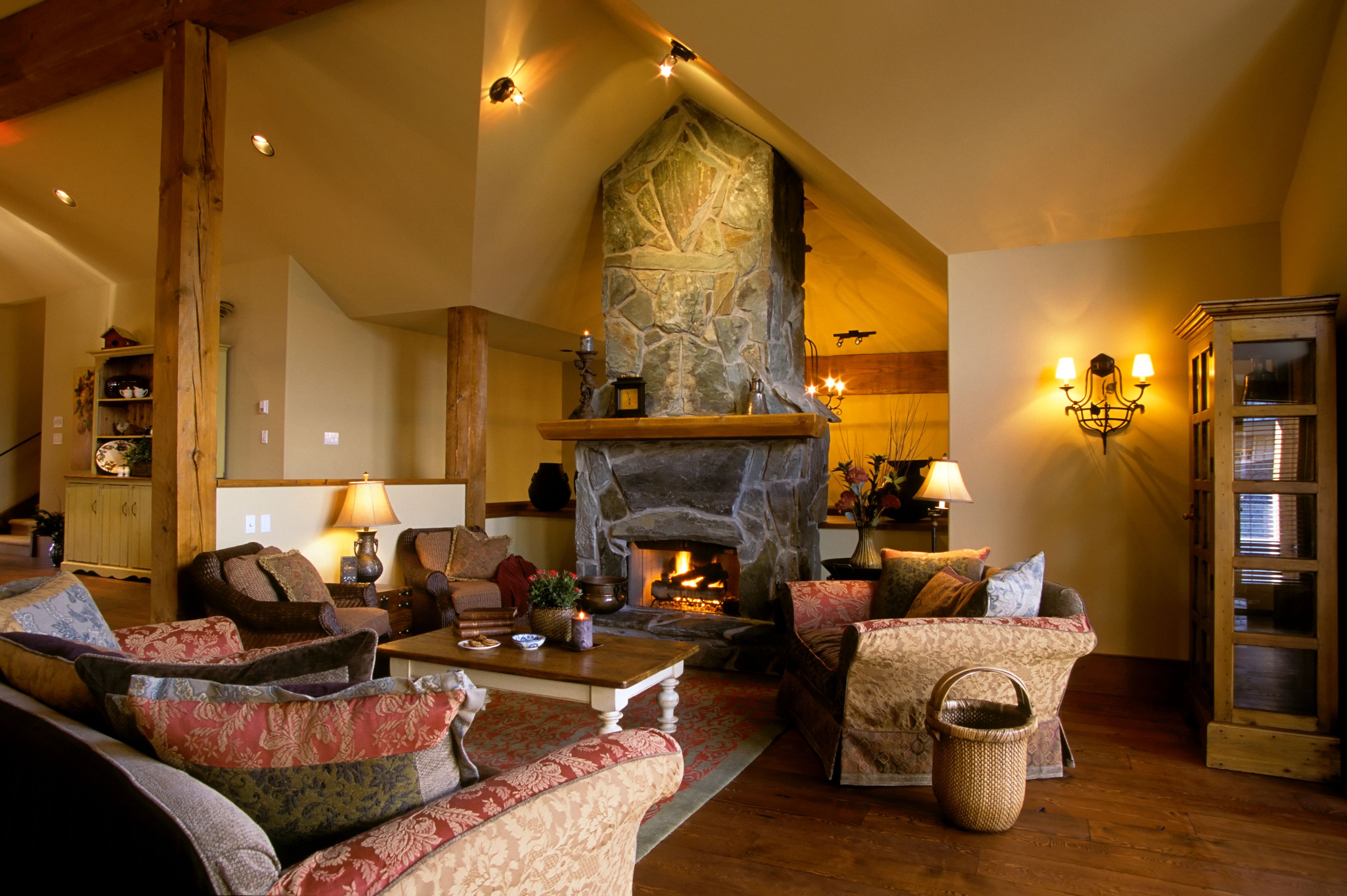
While inspecting the chimney, don’t forget to examine the fireplace itself. Look for cracks or damage in the firebox and ensure the damper functions correctly. The damper should open and close smoothly to allow smoke to escape and prevent drafts.
Make sure the hearth is clean and free from soot buildup. Regular cleaning not only keeps your fireplace looking its best but also helps in maintaining efficient operation.
When to Call a Professional
While a DIY inspection can catch many issues, some problems require a professional’s expertise. If you notice significant structural damage, excessive creosote buildup, or if you're unsure about any findings, it’s best to consult a certified chimney sweep.
Regular professional inspections complement your DIY efforts, ensuring that your chimney remains in optimal condition throughout the year. By combining both approaches, you can enjoy a safe and warm home without unexpected surprises.