DIY Chimney Maintenance: Simple Steps to Ensure Your Fireplace’s Longevity


Understanding the Importance of Chimney Maintenance
Maintaining your chimney is crucial for ensuring the safety and efficiency of your fireplace. A well-maintained chimney not only enhances the longevity of your fireplace but also prevents potential hazards such as chimney fires and carbon monoxide poisoning. Regular maintenance can save you from costly repairs in the future.
Inspect Your Chimney Regularly
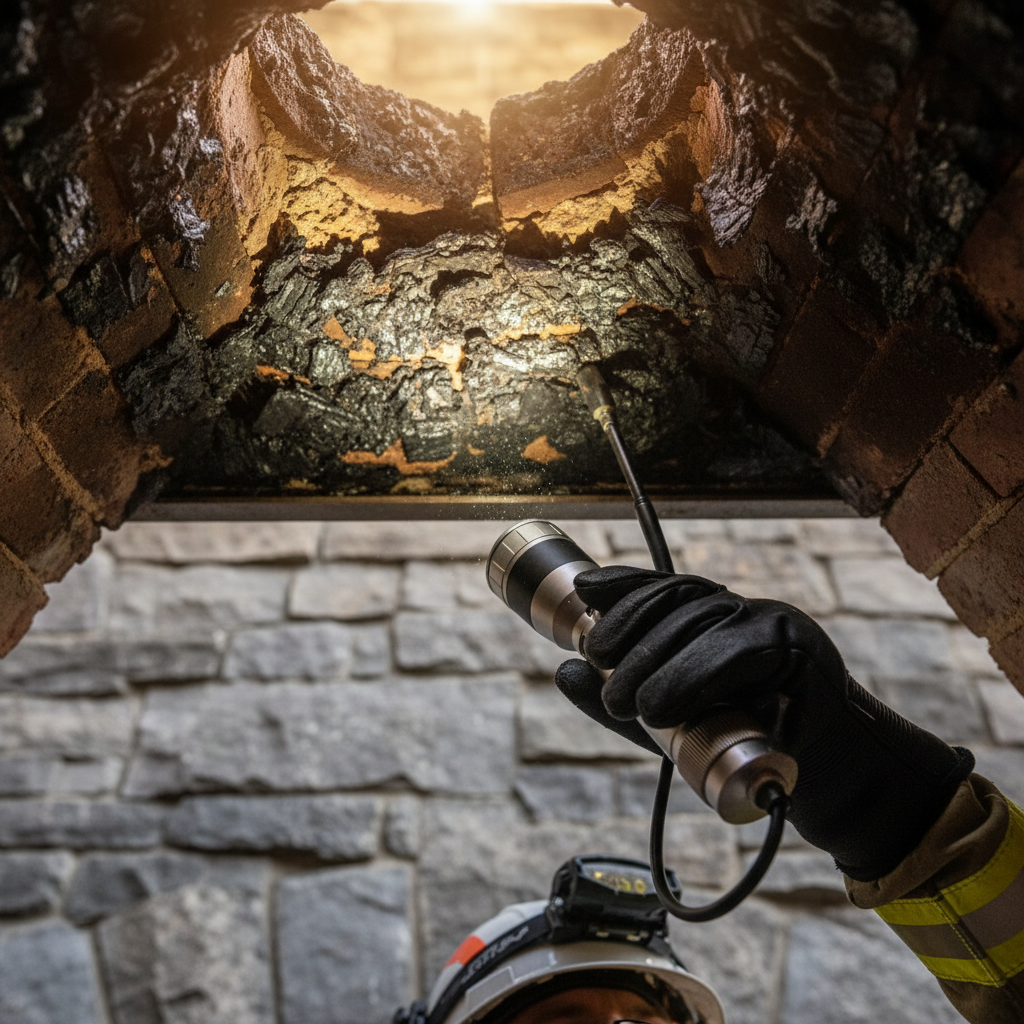
Regular inspections are the first step in effective chimney maintenance. It's essential to check for any visible signs of damage, such as cracks, loose bricks, or deteriorating mortar. Look for any blockages that might restrict airflow or cause smoke to enter your home.
Consider scheduling a professional inspection at least once a year. A chimney sweep will have the necessary expertise and tools to identify issues that might not be visible to the untrained eye.
DIY Inspection Tips
For those who prefer a hands-on approach, here are some simple steps to inspect your chimney:
- Check the chimney cap for damage or missing pieces.
- Look inside the flue for any obstructions or soot buildup.
- Examine the exterior for signs of wear and tear.
Cleaning Your Chimney
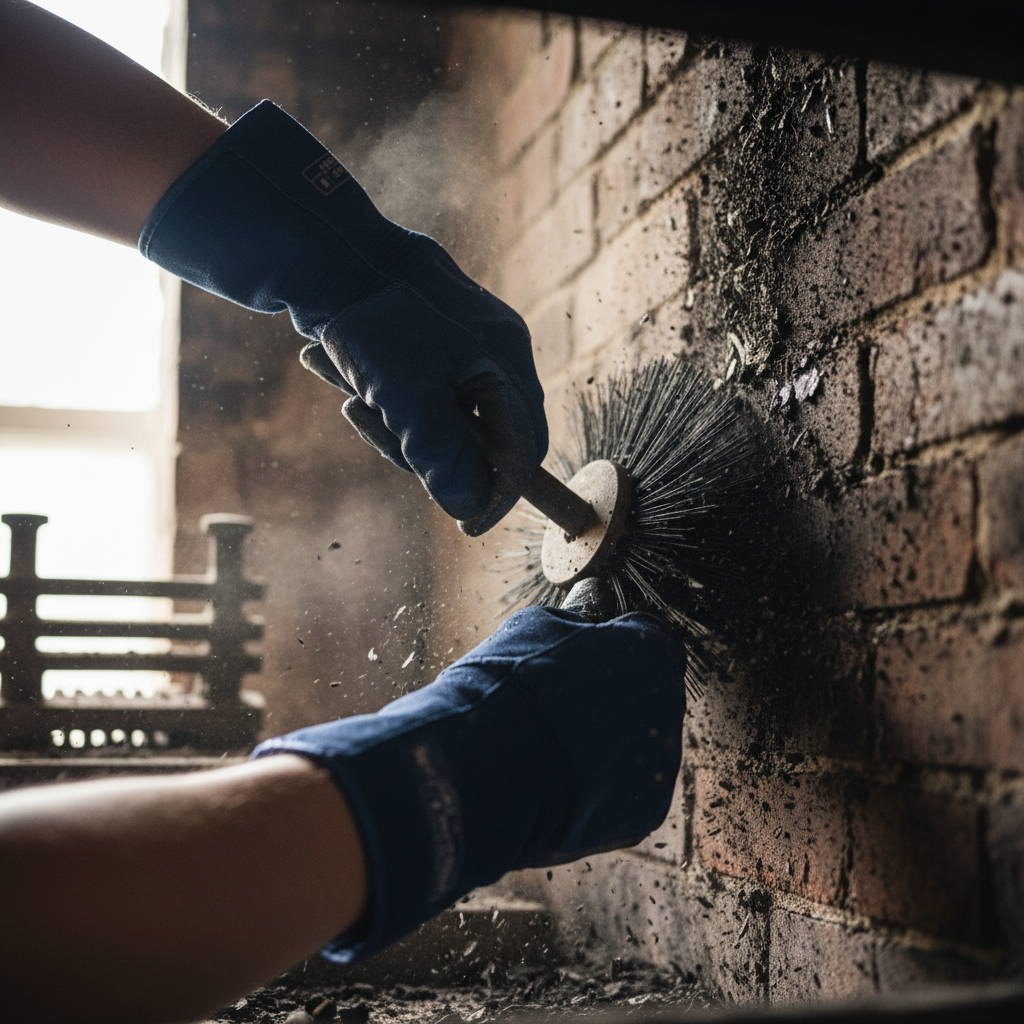
Cleaning your chimney is an essential part of its maintenance. Over time, creosote, a flammable byproduct of burning wood, can build up inside the chimney. This buildup can lead to dangerous chimney fires if not cleaned regularly.
Steps for DIY Cleaning
To clean your chimney effectively, follow these steps:
- Gather the necessary tools: a chimney brush, extension rods, and protective gear.
- Ensure the fireplace is completely cool before starting.
- Use the brush to scrub away soot and creosote from the flue.
- Dispose of debris safely and clean up any remaining dust.
Preventive Measures
Taking preventive measures can significantly reduce the frequency of maintenance required. Consider installing a chimney cap to keep out debris, rain, and animals. Additionally, use seasoned wood to reduce creosote buildup.
Regularly check the damper to ensure it opens and closes properly. A malfunctioning damper can lead to inefficient burning and increased buildup inside the chimney.
Know When to Call a Professional
While DIY maintenance is effective for minor upkeep, certain situations require professional intervention. If you notice severe damage, persistent leaks, or unusual odors, it's best to consult a professional chimney service. Their expertise can address complex issues and ensure your chimney is safe for use.
By following these simple steps and understanding when to seek professional help, you can ensure your fireplace remains a safe and enjoyable feature of your home for years to come.