DIY Tips for Maintaining Your Masonry Fireplace


Understanding Your Masonry Fireplace
Masonry fireplaces are not only a source of warmth but also add a classic charm to your home. These fireplaces are constructed from bricks, stones, or concrete blocks and require regular maintenance to ensure they function efficiently and safely. Neglecting maintenance can lead to a buildup of soot and creosote, which can become a fire hazard.
Regular Cleaning Routine
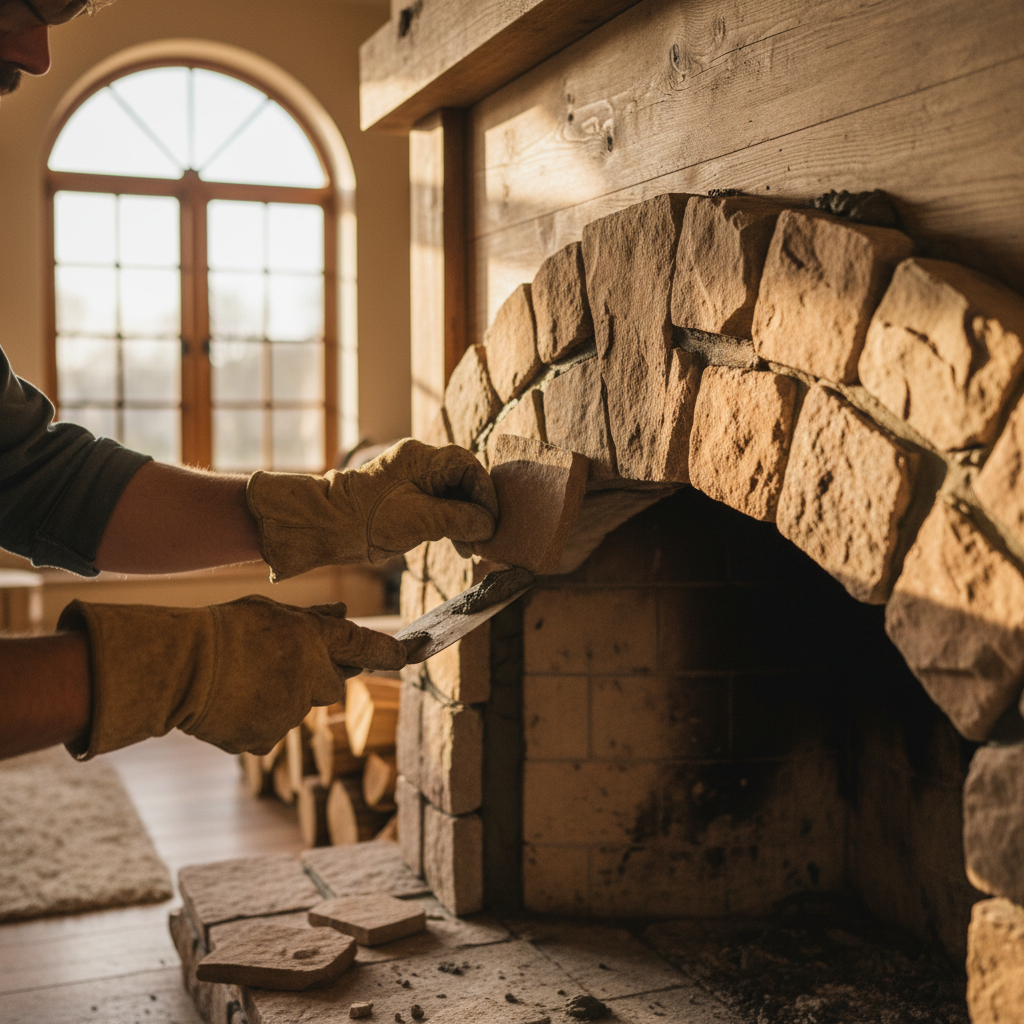
The first step in maintaining your masonry fireplace is establishing a regular cleaning routine. Cleaning should be done at least once a year, preferably before the cold season begins. Start by removing ashes and debris from the firebox. Use a sturdy metal shovel and a broom to sweep out the ashes into a metal container. This prevents any risk of fire from smoldering ashes.
Next, clean the hearth and surrounding area with a vacuum or a damp cloth to remove dust and soot. Be sure to use a vacuum that is designed to handle fine particles, as regular vacuums can become clogged.
Inspecting the Chimney
Regular chimney inspections are crucial to ensure the safety of your fireplace. Check for any visible cracks or damage in the masonry work. Cracks can allow dangerous gases to escape into your home, posing a serious health risk. If you notice any damage, it’s important to consult a professional mason to repair it promptly.
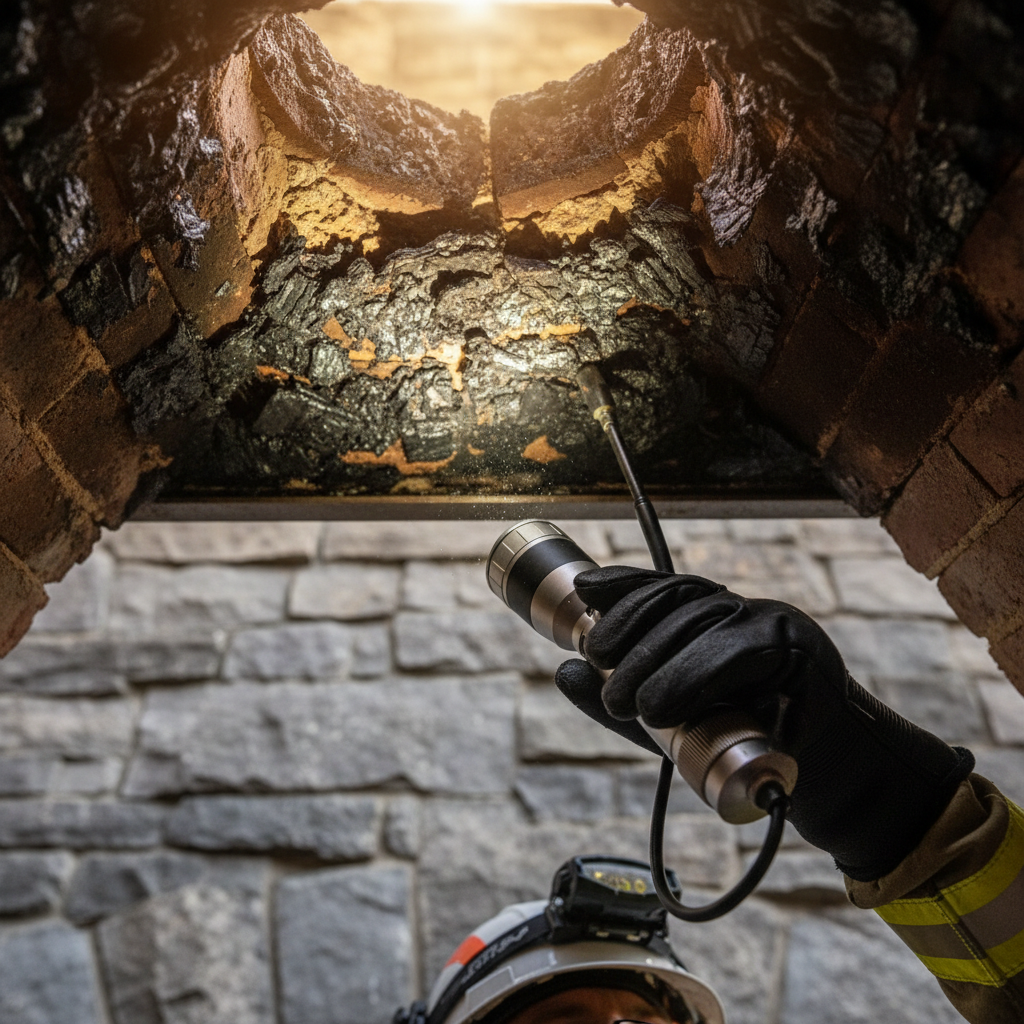
Additionally, check the chimney cap and flue for any blockages. Leaves, bird nests, and other debris can obstruct the airflow, causing smoke to back up into your home. A chimney sweep can help clear these blockages effectively.
Preventing Creosote Buildup
Creosote is a byproduct of burning wood and can accumulate in your chimney over time. It is highly flammable and a common cause of chimney fires. To minimize creosote buildup, always burn seasoned hardwoods, as they produce less smoke and burn more efficiently.
Consider installing a chimney liner to help reduce creosote deposits. This can also improve the efficiency of your fireplace and extend the life of your chimney.
Sealing and Waterproofing
Moisture can be very damaging to masonry fireplaces. Water can seep into cracks, freeze, and cause further damage. To prevent this, apply a waterproof sealant to the exterior of your chimney and fireplace. This will help protect the masonry from rain and snow.
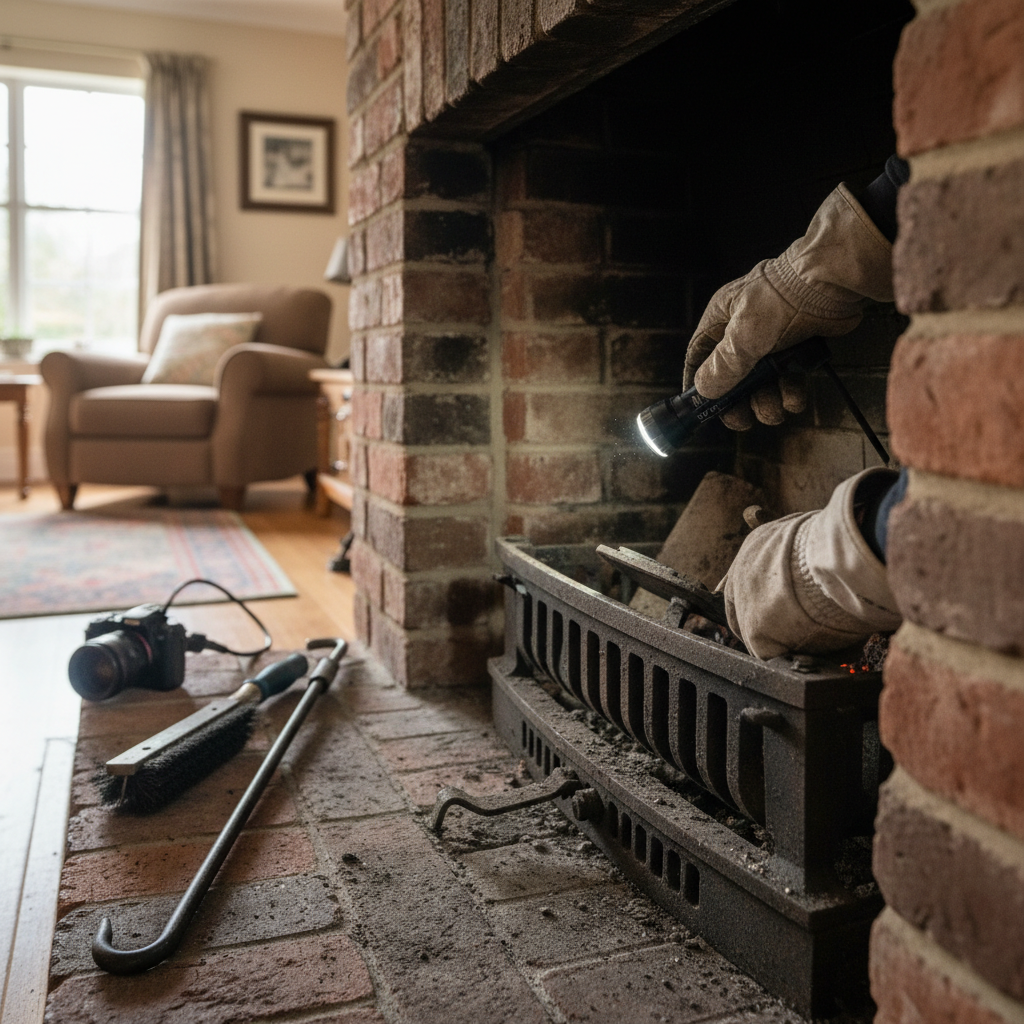
Be sure to check the sealant regularly and reapply as needed, especially in areas with harsh weather conditions. A well-sealed fireplace will last longer and require less frequent repairs.
Final Checks and Safety Tips
Before lighting your first fire of the season, perform a final check to ensure everything is in good working order. Make sure the damper opens and closes smoothly, and test your smoke detectors and carbon monoxide alarms to ensure they are functioning properly.
By following these DIY tips, you can keep your masonry fireplace in excellent condition, ensuring it remains a safe and beautiful focal point in your home for years to come.