How to Identify and Repair Common Masonry Issues


Understanding Common Masonry Issues
Masonry structures are known for their durability and aesthetic appeal. However, like any other construction material, masonry can experience wear and tear over time. Identifying these issues early can save you from costly repairs in the future. This blog post will guide you through identifying and repairing common masonry problems.
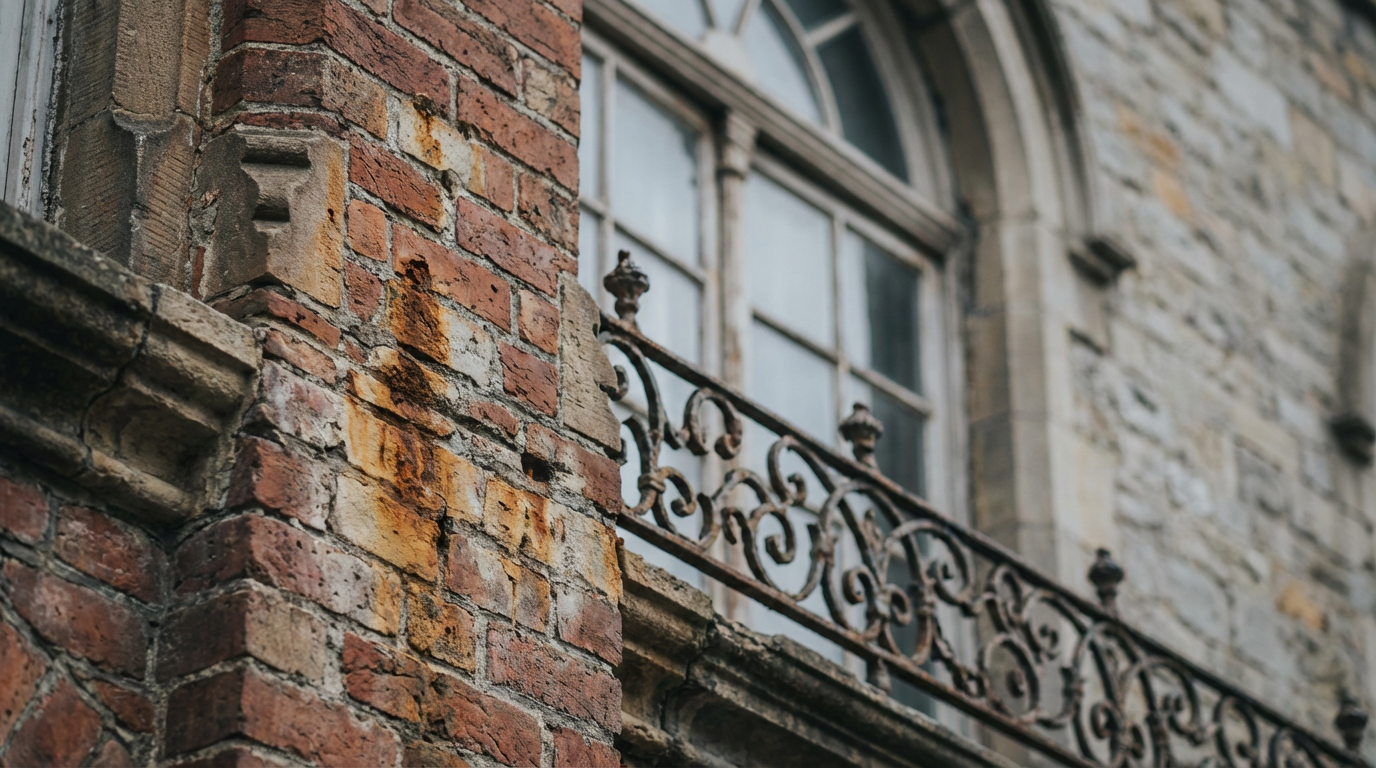
Common issues with masonry include cracks, efflorescence, and spalling. These problems can arise due to various factors such as weather conditions, poor construction techniques, or natural aging. Recognizing these signs early is crucial to maintaining the integrity of your masonry structures.
Identifying Cracks in Masonry
Cracks are perhaps the most common issue faced by masonry structures. They can be caused by settling foundations, thermal expansion, or moisture infiltration. It’s essential to determine the cause of the cracks to address the underlying problem effectively.
Small, hairline cracks are usually not a major concern, but larger cracks can indicate more serious structural issues. Regular inspections can help in detecting these cracks early on. When inspecting, look for patterns or locations where cracks are more prevalent.

Efflorescence: The White Powdery Substance
Efflorescence appears as a white, powdery residue on the surface of masonry walls. It is caused by soluble salts within the masonry being drawn to the surface by moisture. While efflorescence is not structurally damaging, it can be unsightly and indicates moisture issues that need to be addressed.
To remove efflorescence, you can use a dry brush or a mild acid solution. However, it’s crucial to identify and rectify the source of moisture to prevent recurrence. This could involve improving drainage or sealing cracks.
Spalling: When Masonry Begins to Flake
Spalling occurs when the surface of the masonry starts to flake off. This is often due to freeze-thaw cycles, where water enters the masonry, freezes, and causes the surface to crack and peel away. To repair spalling, it’s necessary to remove the damaged area and apply new mortar or concrete.
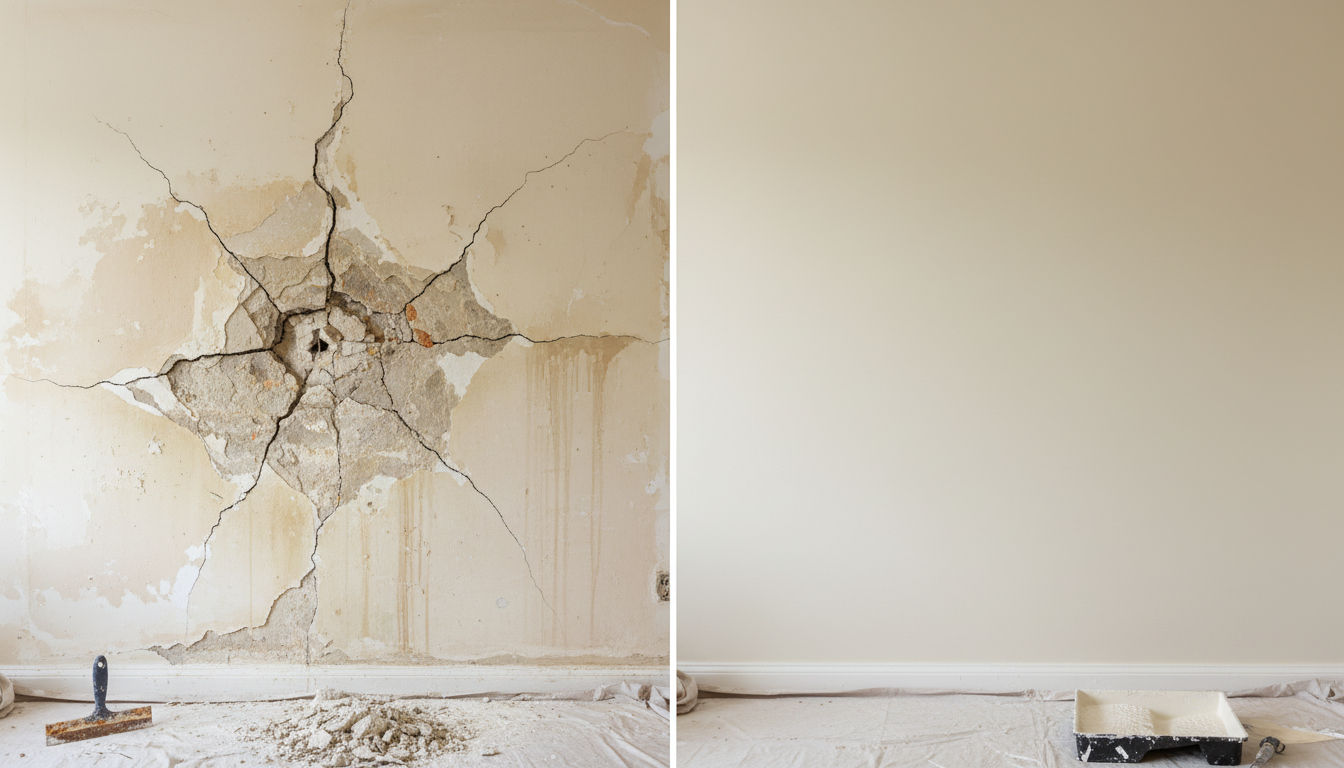
Preventing spalling involves ensuring proper drainage and applying sealants to protect against moisture infiltration. Regular maintenance and sealing can extend the life of your masonry and maintain its appearance.
Steps for DIY Masonry Repair
For minor masonry issues, DIY repairs can be effective. Here’s a simple guide to follow:
- Inspect and Clean: Start by inspecting the area and cleaning away any debris.
- Prepare Materials: Gather necessary materials like mortar mix, trowels, and brushes.
- Repair Cracks: Fill small cracks with a suitable sealant. For larger cracks, use fresh mortar.
- Address Efflorescence: Brush off the residue and fix moisture sources.
- Fix Spalling: Remove damaged areas and apply new mortar.
While minor repairs can be handled on your own, always consult a professional for significant structural issues to ensure the safety and longevity of your masonry structures.