Preparing Your Chimney for Winter: Essential Maintenance Tips


Understanding the Importance of Chimney Maintenance
As the cold months approach, ensuring your chimney is in top condition is essential for both safety and efficiency. A well-maintained chimney not only prevents potential hazards but also improves the performance of your heating system. Regular maintenance helps in extending the lifespan of your chimney and keeps your home warm and cozy throughout the winter.
A neglected chimney can become a significant fire hazard. Creosote buildup, blockages, and structural damages can lead to dangerous situations. To avoid these risks, it's crucial to prepare your chimney before the temperatures drop.
Inspecting Your Chimney
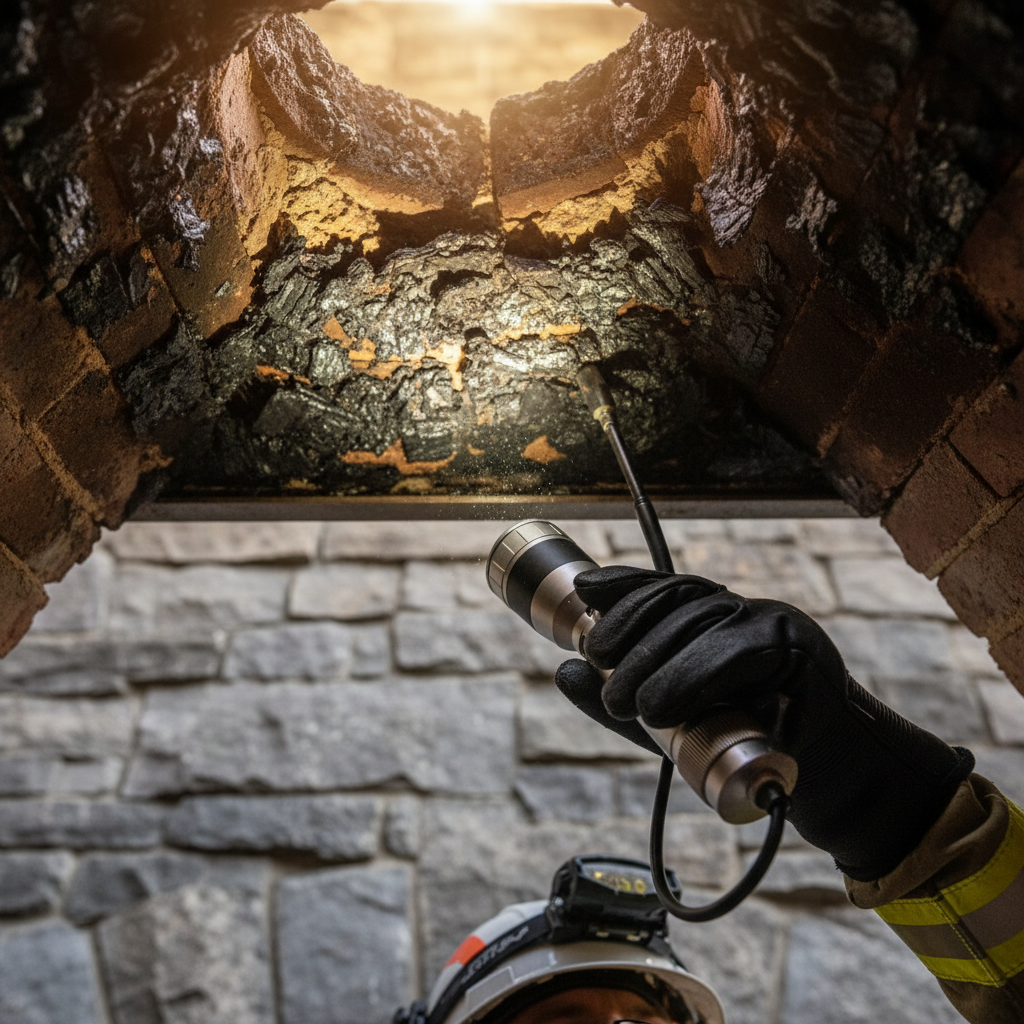
The first step in chimney maintenance is a thorough inspection. It's advisable to hire a professional chimney sweep to assess the condition of your chimney. They will check for cracks, blockages, and other signs of wear and tear.
If you prefer to do a preliminary check yourself, ensure you look for visible cracks in the masonry, rust in the damper, and any debris or nests that might have formed over the months. Remember, a professional inspection will cover areas you might miss.
Schedule a Professional Cleaning
After the inspection, the next step is cleaning. A professional chimney sweep will remove any creosote buildup and debris. Creosote is a highly flammable substance that can accumulate over time, especially if wood-burning stoves or fireplaces are frequently used.
Regular cleaning reduces the risk of chimney fires and ensures efficient airflow. It's recommended to have your chimney cleaned at least once a year, ideally before the start of the winter season.
Check and Repair Structural Issues
Chimneys are exposed to harsh weather conditions, which can lead to structural issues. Cracks in the mortar or bricks can allow water to seep in, causing further damage. Repairing these issues promptly can prevent more extensive and costly repairs later on.
Consider waterproofing your chimney to protect it from moisture. Waterproofing solutions are available that can be applied to the exterior to create a barrier against water intrusion.
Ensure Proper Ventilation
Proper ventilation is crucial for the safe operation of your chimney. Ensure that the flue is unobstructed and that the damper is functioning correctly. A well-ventilated chimney will improve the efficiency of your heating system and prevent the buildup of harmful gases like carbon monoxide.
Install a Chimney Cap
A chimney cap is a simple yet effective addition that prevents debris, rain, and animals from entering your chimney. Installing a chimney cap can also reduce downdrafts, which can affect the efficiency of your fireplace or stove.
When choosing a chimney cap, ensure it is made from durable materials like stainless steel or copper for longevity. A properly fitted cap can save you from potential headaches and costly repairs in the future.
Final Preparations
Before lighting your first fire of the winter season, double-check that all maintenance tasks are complete. Ensure your carbon monoxide detectors are functioning, and have a fire extinguisher readily available as a safety precaution.
By following these essential maintenance tips, you can enjoy a safe and warm winter season, knowing your chimney is well-prepared to handle the cold.