Understanding Masonry: A Comprehensive Guide for Homeowners


Introduction to Masonry
Masonry is a time-honored craft that has been used in construction for centuries. It involves building structures from individual units, often bound together by mortar. For homeowners, understanding the basics of masonry can be valuable for both maintenance and renovation projects.
The strength, durability, and aesthetic appeal of masonry make it a popular choice for building walls, fireplaces, and even entire homes. Whether you are considering a new project or maintaining an existing structure, this guide will provide you with essential insights.
Types of Masonry Materials
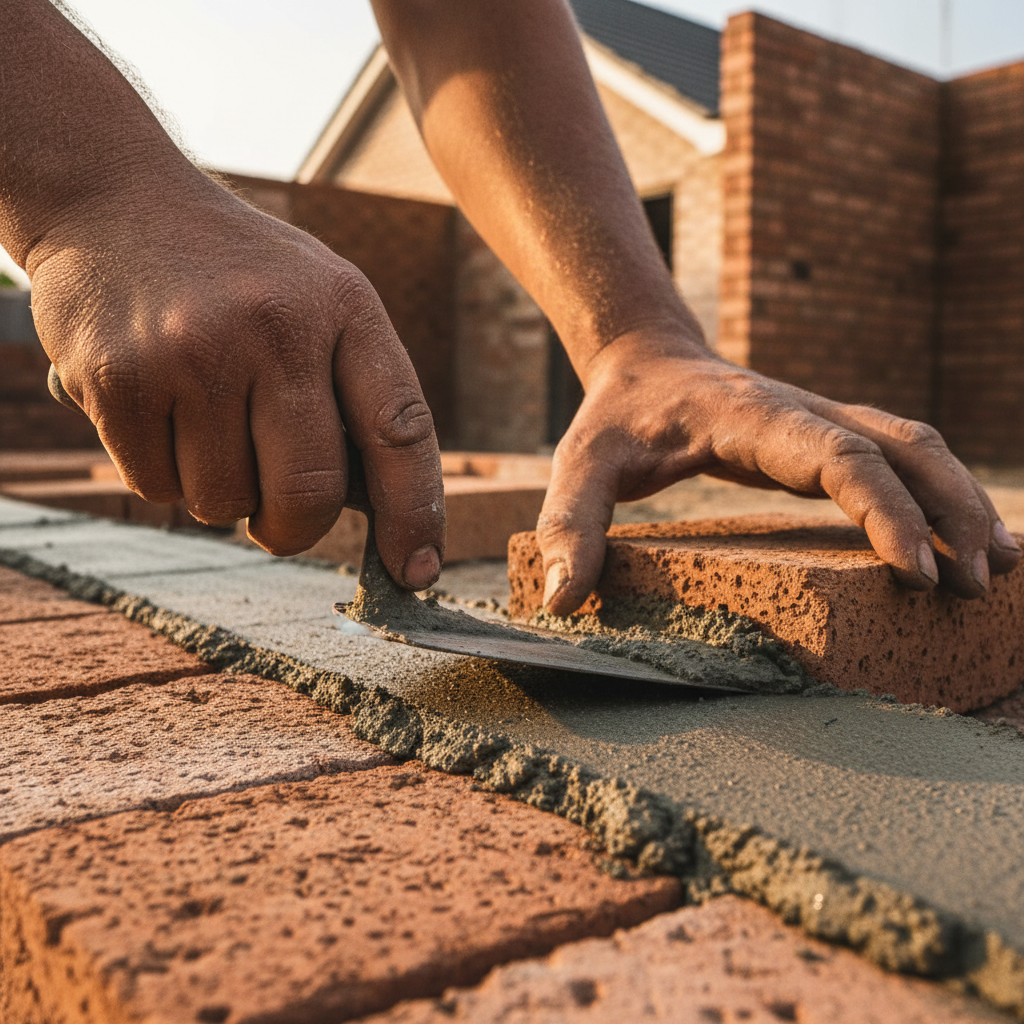
There are several materials commonly used in masonry, each offering unique benefits and characteristics. Here are a few popular choices:
- Brick: Known for its classic appearance and durability, brick is often used in both structural and decorative applications.
- Stone: Provides a natural look and excellent durability. It's often chosen for its aesthetic appeal and strength.
- Concrete Blocks: Highly versatile, these blocks are often used for structural purposes due to their strength.
Choosing the right material depends on your specific needs, budget, and the desired look of your project.
The Importance of Mortar
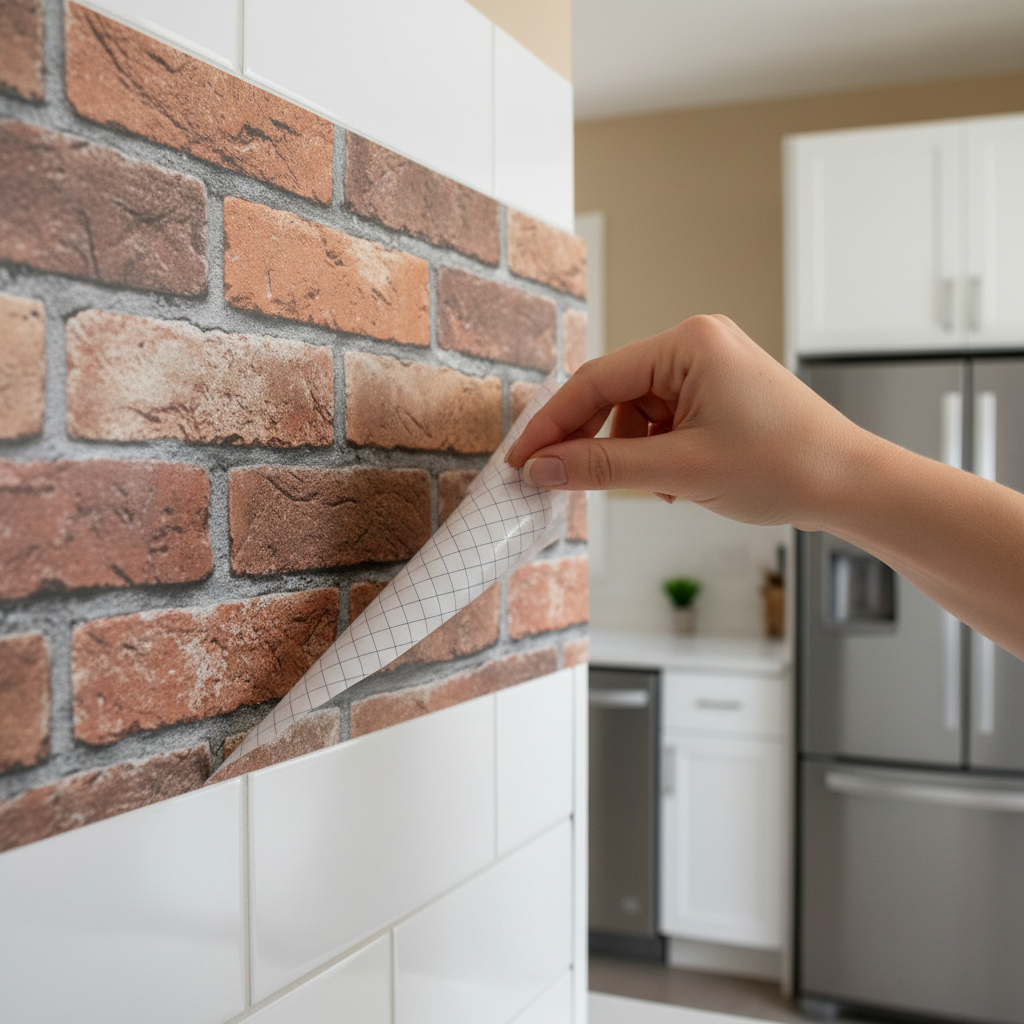
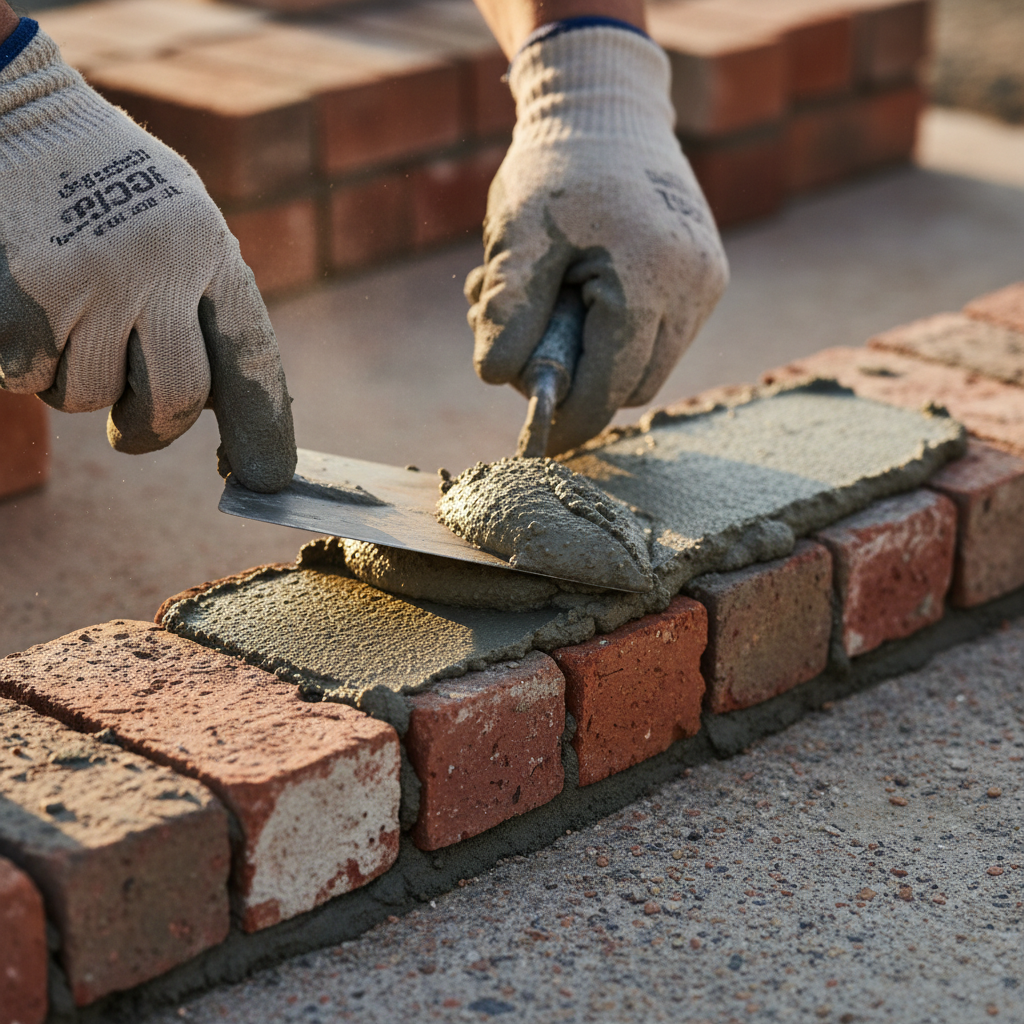
Mortar is a crucial component in masonry, serving as the binding agent that holds the individual units together. It not only provides strength but also helps seal joints to prevent water penetration.
There are different types of mortar, each suited to specific applications. Selecting the right type of mortar is essential to ensure the longevity and stability of your masonry work.
Benefits of Masonry
Masonry offers several benefits that make it an attractive option for homeowners:
- Durability: Masonry structures are known for their long-lasting nature, often withstanding weather and wear better than other materials.
- Energy Efficiency: The thermal mass of masonry helps in regulating indoor temperatures, potentially reducing heating and cooling costs.
- Aesthetic Appeal: With a variety of materials and styles available, masonry can enhance the visual appeal of any home.
These advantages make masonry a wise investment for both new construction and renovation projects.
Maintaining Masonry Structures
Proper maintenance is key to preserving the integrity and appearance of masonry structures. Regular inspections can help identify issues such as cracks, water damage, or mortar deterioration.
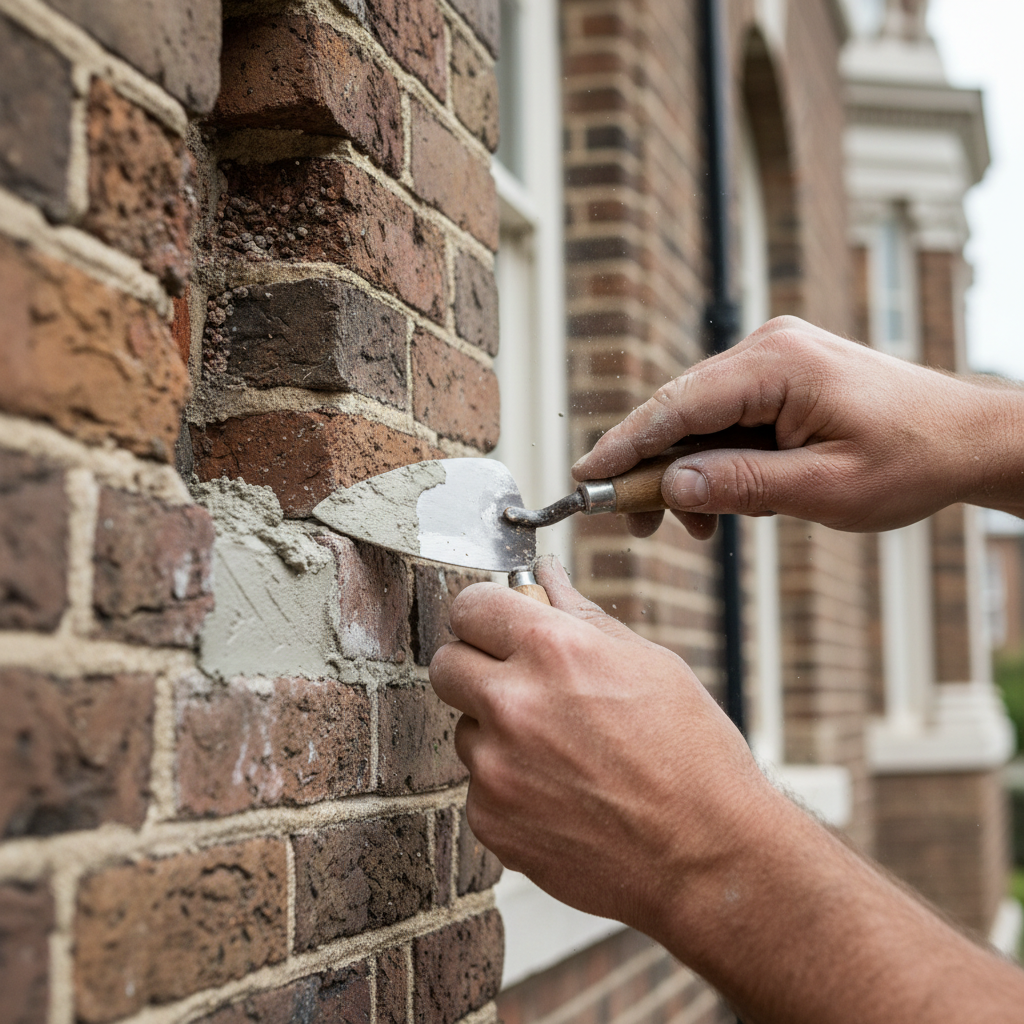
Simple maintenance tasks include cleaning the surface and repointing, which involves renewing the external portion of mortar joints. By addressing small issues promptly, you can prevent more significant problems down the line.
Hiring a Masonry Professional
While some masonry projects can be tackled by handy homeowners, others may require the expertise of a professional mason. Complex projects, such as structural repairs or large installations, are best handled by experienced professionals to ensure safety and quality.
When hiring a mason, look for someone with a solid reputation, proper licensing, and experience in the type of work you need. This ensures your project will be completed with the highest standards in mind.
Understanding masonry empowers homeowners to make informed decisions about their projects. Whether you're enhancing your home’s curb appeal or undertaking crucial repairs, masonry offers a blend of beauty and functionality that stands the test of time.